Not all “leather jackets” are made of leather. With so many synthetic and bonded-leather products on the market, it pays to know what you’re actually buying — especially when a jacket is meant to last for years, not months. Here’s how to tell genuine leather from faux in under a minute.
1. The Smell Test
Genuine leather has a distinct, earthy, slightly smoky smell — it’s the smell of tanned hide. Faux leather (PU or PVC) smells plasticky or chemical, closer to a shower curtain than an animal hide. If a jacket has no smell at all, that’s also a red flag.
2. The Touch and Texture Test
Real leather is never perfectly uniform. Run your hand across it and you’ll feel small variations, grain, and even the odd natural mark — because it came from a living animal, not a mould. Faux leather feels smooth and repetitive everywhere, almost too even to be natural.
3. Check the Edges and Grain
Flip the jacket over or look at a raw edge (inside a pocket, for example). Genuine leather has a fibrous, suede-like underside. Faux leather usually has a fabric backing visible at the edges — a woven textile is glued underneath the plastic coating.
4. Price as a Signal
Genuine leather costs more to produce, full stop. If a “100% leather” jacket is priced like a fast-fashion item, it almost certainly isn’t. Quality hide, tanning, and craftsmanship all add cost — and that cost is what makes a jacket last a decade instead of a season.
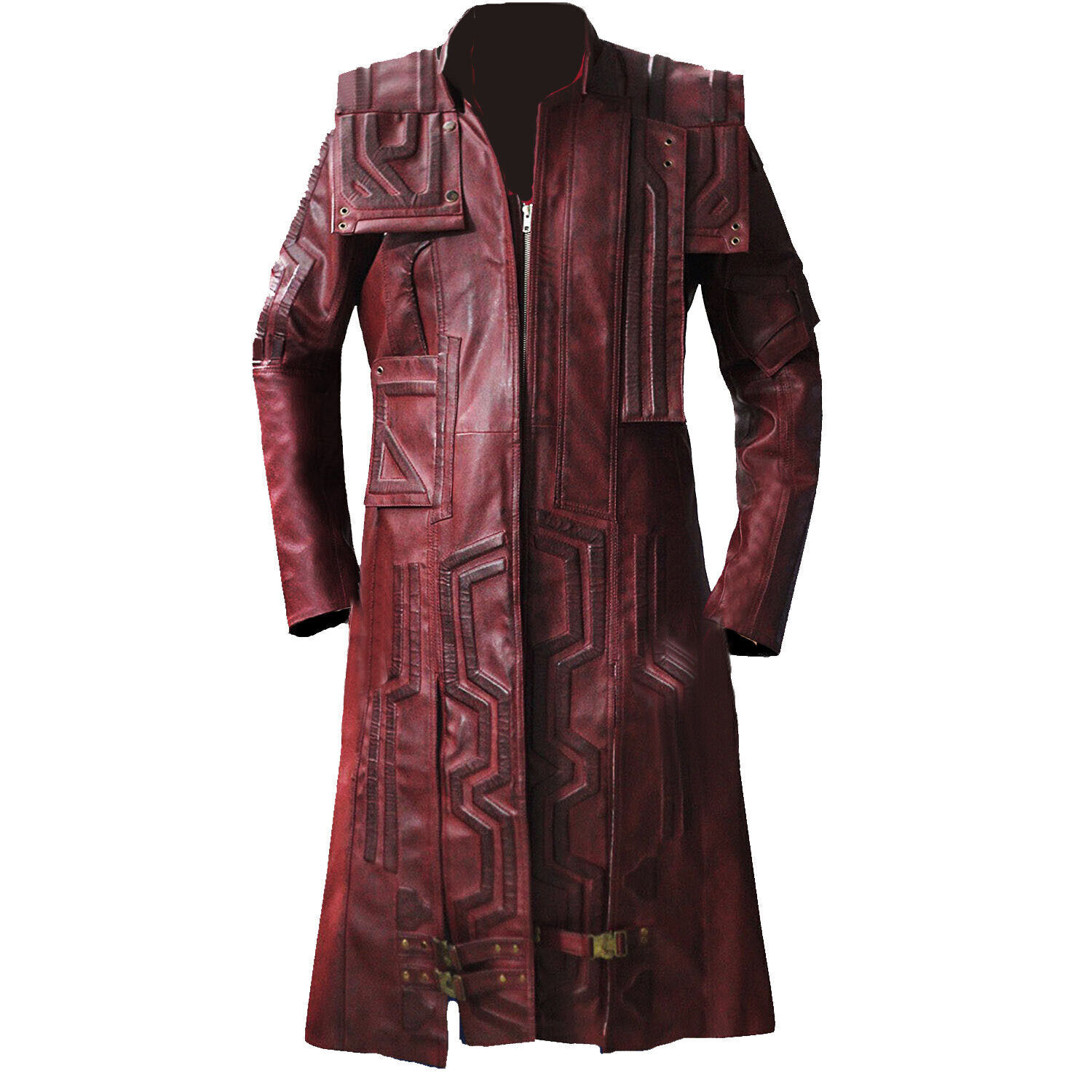
Every jacket, coat and vest at Clara Leather Jackets is made from genuine, full-grain leather — no bonded leather, no PU, no shortcuts. If you can’t feel the difference, ask us and we’ll happily point you to close-up photos and material details on any product page.
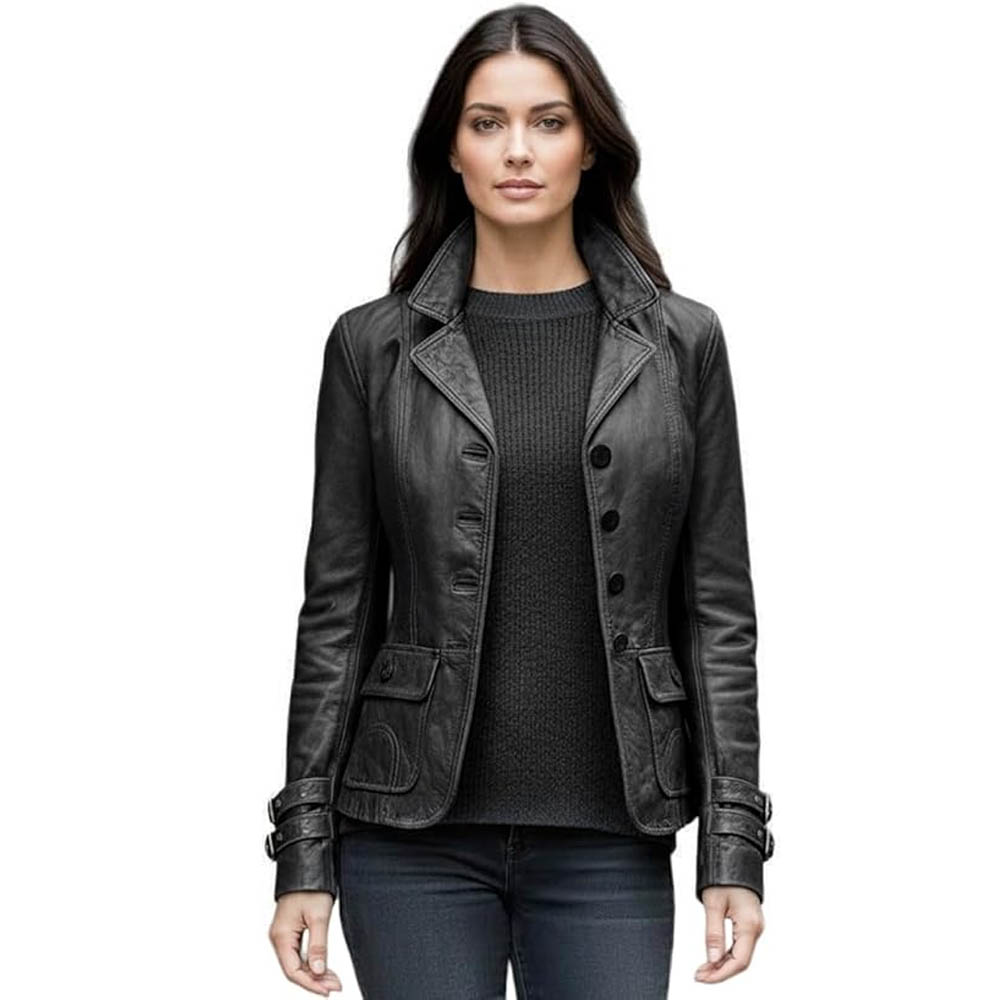
Browse genuine leather jackets & coats →
